
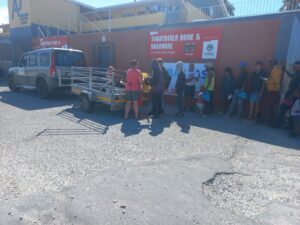
Algoa Park: A Case Study
Algoa Park, situated in Port Elizabeth, reflects the broader issues of poverty in the Eastern Cape. Once a vibrant community, Algoa Park has faced significant decline in recent years, marked by rising unemployment and an increase in crime rates. Many residents live in substandard conditions, struggling to make ends meet. This neighborhood has become emblematic of the struggles faced by many in the province, where the lack of opportunities exacerbates the already high levels of poverty.
The crime increase in Algoa Park is alarming. Economic desperation often drives individuals to engage in criminal activities, further undermining community stability. The local government has attempted to address these issues, but the efforts have not yet yielded significant improvements. There is a pressing need for targeted interventions that not only address crime but also focus on economic development and community empowerment.

The State of Poverty in the Eastern Cape
The Eastern Cape is characterized by high levels of unemployment, limited access to education, and inadequate healthcare services. These factors contribute to a cycle of poverty that affects not only individuals but entire communities. Compared to the national average, the Eastern Cape struggles with a higher percentage of people living below the poverty line. The province’s rural areas often bear the brunt of these challenges, where residents face food insecurity and lack basic resources.
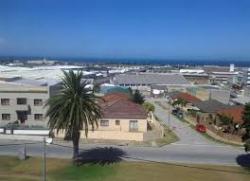
The Landscape of Poverty in South Africa
Poverty remains a pervasive challenge in South Africa, with the Eastern Cape Province particularly affected. In comparison to other provinces, the Eastern Cape has one of the highest rates of poverty, especially among older adults. Approximately 95.4% of impoverished seniors in this region rely on government grants, underscoring the critical need for effective anti-poverty strategies. This article will explore the unique circumstances of poverty in the Eastern Cape, with a specific focus on Algoa Park, a section of Port Elizabeth that has seen significant socio-economic challenges.
Moving Forward: Strategies for Change
To combat poverty in the Eastern Cape and specifically in areas like Algoa Park, comprehensive strategies must be implemented. This includes enhancing access to education and job training programs, improving infrastructure, and fostering community engagement. Development initiatives should prioritize food security and create sustainable job opportunities that empower residents.
Furthermore, it is crucial to establish strong partnerships between local government, non-profit organizations, and community members. By working collaboratively, stakeholders can create a cohesive plan to address the systemic issues contributing to poverty and crime. With focused efforts, it is possible to revitalize communities like Algoa Park and pave the way for a more prosperous future for the Eastern Cape.